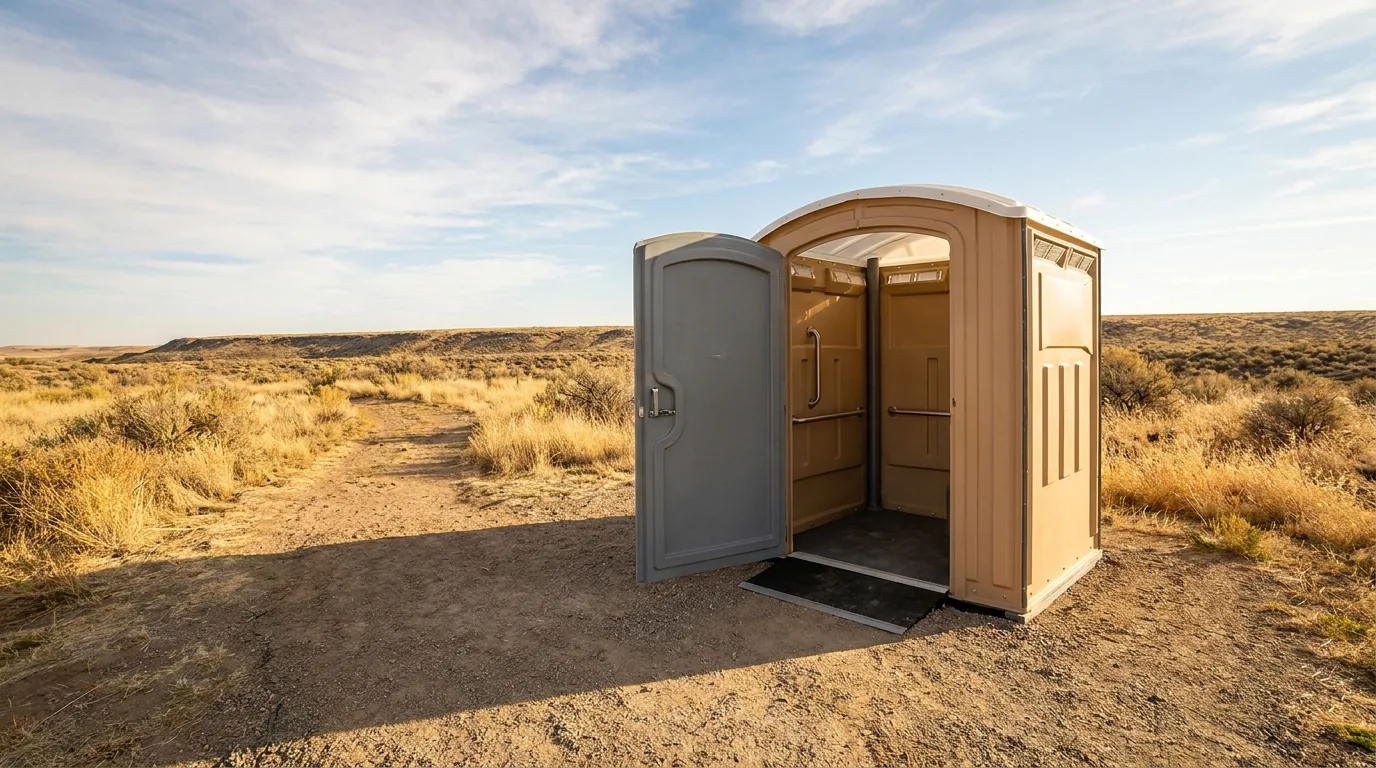

Standard porta potty
$125 to $250 a weekend
Memphis, TN
There is no single interval that fits every septic system. Tank size, how many people use it, and what goes down the drain decide how fast solids accumulate. This guide explains how to work out your own schedule for a property around Memphis, and how to tell when you have already waited too long.
Four things. Tank capacity, because a smaller tank reaches the same sludge depth sooner. Household size, because volume in equals solids accumulating. Water use habits, because a system hit with heavy laundry loads has less settling time. And what you put in it, because anything that does not break down stays in the tank until a truck removes it.
A garbage disposal is the single biggest accelerator on a residential system. Food solids go straight to the tank and take up capacity that would otherwise last years.
Measure rather than guess. During a pump out, the technician checks the sludge layer on the bottom and the scum layer on top, and those two numbers tell you how your system is actually loading. Two properties with the same tank and the same household can be years apart on the right interval.
Once you have that reading, you have a real schedule rather than a rule of thumb. Our septic pumping service page describes what happens during a visit and what gets inspected while the tank is empty.

Slow drains across the whole house rather than one fixture. Gurgling from the plumbing when a large volume of water goes down. Sewage odor near the tank or over the field. Wet or unusually lush green patches over the drain field during a dry stretch. Backup into the lowest drain in the house, which is the final warning.
Do not wait for the last one. Field damage is the expensive failure mode, and a saturated drain field is not fixed by pumping. Full symptom detail is on the septic tank warning signs page, and if you are already backing up, emergency septic service covers urgent response.
Not quite. Pumping removes the liquid and the accumulated layers. A full cleaning takes more of the residual sludge off the bottom and gets closer to an empty tank. Which one you need depends on how long it has been and what condition the tank is in. Our septic tank cleaning page covers the difference, and septic tank pumping cost covers what drives the price on either.
Additives are not a replacement for either one. Nothing you pour down a drain removes accumulated solids from a tank.
Grease, first. Cooking oil and fats do not break down usefully and they build a scum layer that shortens the working volume of the tank. Commercial kitchens should never treat a septic tank as the disposal route, which is why food service operations run grease trap pumping on its own schedule.
Wipes, including the ones sold as flushable, are second. Paper towels, feminine hygiene products, cat litter, coffee grounds and heavy food waste all do the same thing. Harsh chemicals and solvents are a different problem: they disrupt the biology inside the tank rather than just filling it. Anything that would be flagged on our what cannot go in a dumpster list does not belong in a septic system either.
Yes. A property that sits empty half the year loads slower. A farm or event property that takes a big surge of use in one season loads fast during that window and barely at all otherwise, so the schedule should follow the season, not the calendar year.
Temporary sites work differently again. A holding tank rental on a job site or event is pumped on fill rate, sometimes weekly, and that has nothing to do with residential intervals. Farm operations often sequence a house tank pumping into the same trip as field units, which our farm and agricultural restrooms page covers.
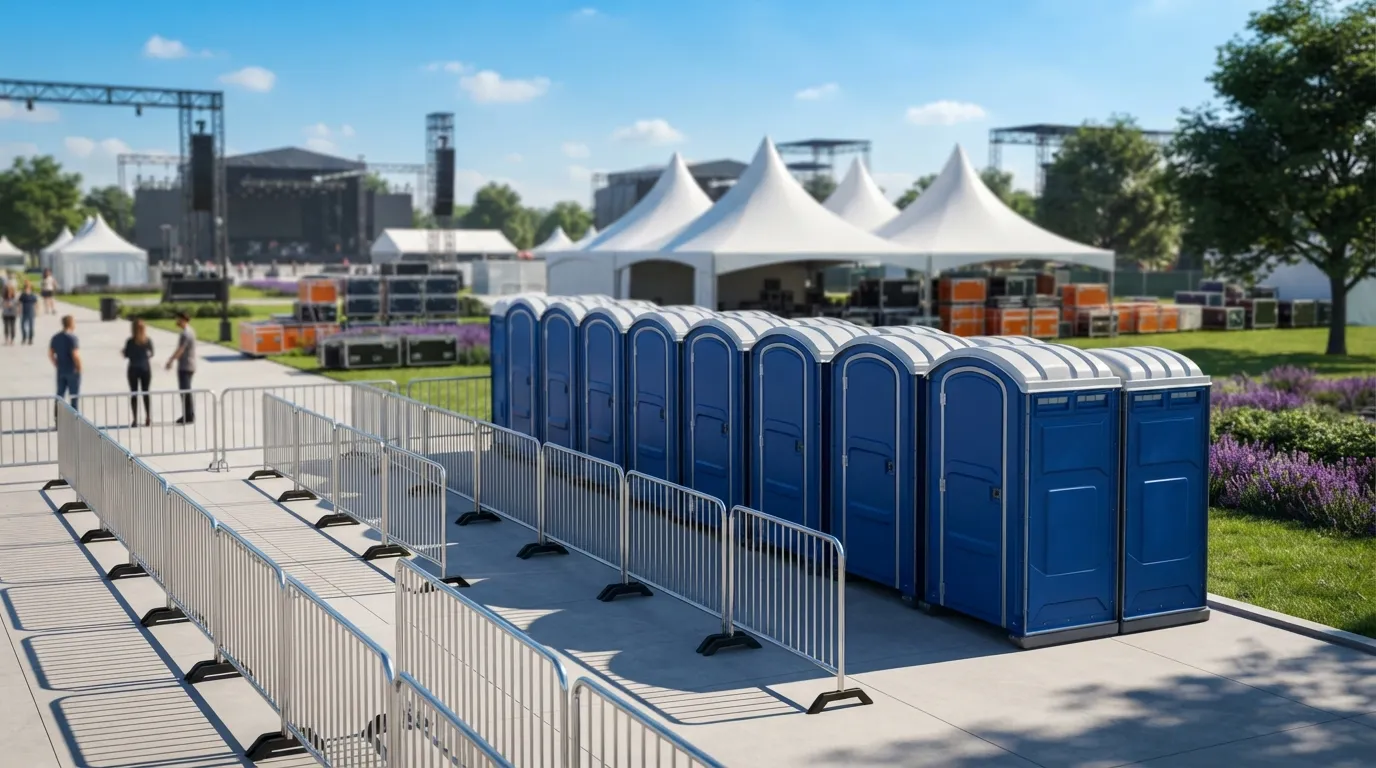
Portable equipment runs on a far tighter cycle because the tanks are small. A standard porta potty holds 60 to 70 gallons, and ANSI/PSAI Z4.3 sets a baseline of one unit per ten workers over a 40 hour week with one service visit. Weekly service runs 30 to 60 dollars per unit. Different rhythm, same principle: service on a schedule you set, not after a failure.
See how often are porta potties cleaned for the portable side, and construction site services if you are coordinating both on one property.
Across Memphis and Shelby County and out into Germantown, Collierville, Lakeland, Southaven, Olive Branch, Horn Lake, Hernando, West Memphis and Marion. The service areas page has the full territory.
If you cannot remember the last time your tank was pumped, that by itself is a reason to schedule one. Start on our request a quote page for a real number on your property, or use the contact page to describe what you are seeing and let us tell you whether it can wait.
What we rent
Typical Memphis ranges, not a quote. Delivery is $50 to $150 and a weekly service visit $30 to $60. See the full cost breakdown.
$125 to $250 a weekend
$200 to $350 a weekend
$199 to $300 a weekend
Quoted by stall count
The rest of the yard
We deliver across Shelby County and the surrounding metro:
Next step
Tell us the address, the dates and the headcount. We size the order and confirm the route.