Standard porta potty
$125 to $250 a weekend
Memphis, TN
A county fair pulling a few thousand people a day needs one toilet for roughly every 100 guests, plus at least one ADA unit per ADA Standards 213.2. Memphis Porta Pros builds fair restroom counts around gate estimates, hours open, and beer sales, then adjusts before the trucks roll.
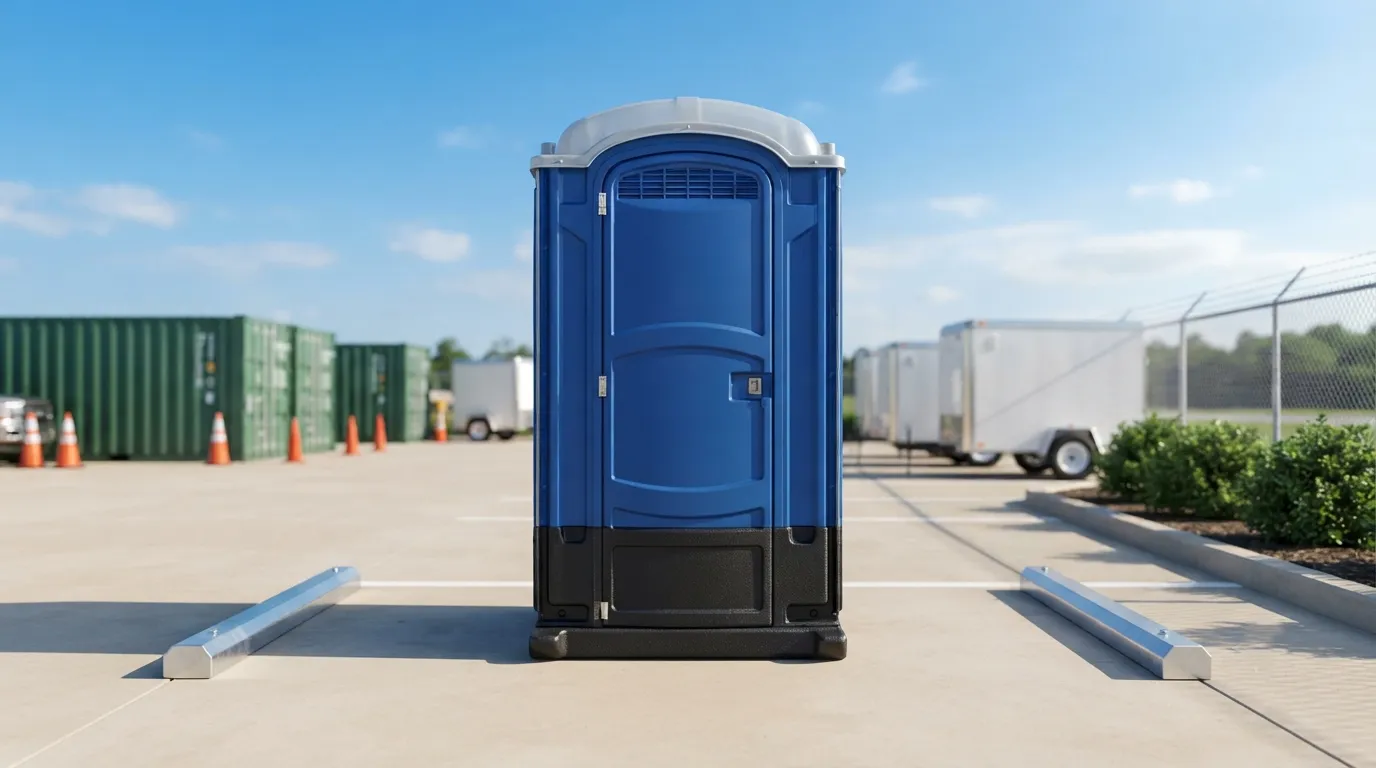
Start with attendance, not guesswork. A fairground pulling 2,000 people through the gate on a Saturday needs more toilets than the same fairground on a slow Tuesday afternoon, and Memphis Porta Pros sizes the order around peak-day numbers, not the weekly average. Standard portable toilets handle general foot traffic well: each unit carries a 60 to 70 gallon holding tank, which covers a steady run of guests between service visits. For food courts and beer gardens, add extra units near those clusters, since lines back up fast where people are eating and drinking. OSHA 1926.51(c) sets ratios for construction crews, not fairgoers, but fair organizers in Memphis still use it as a rough sanity check when nothing more specific applies. If your event has any paid staff working long shifts, that standard becomes the real driver for their facilities, separate from public counts. For a full breakdown by expected headcount, the porta potty needs guide walks through the math. Don't forget handwashing: handwashing station rental or a simple portable sink rental near food vendors keeps hands clean without relying on hand sanitizer, which does not satisfy 29 CFR 1910.141(d)(2) on its own. Fair boards juggling a midway, livestock barns, and a grandstand often split the restroom order into zones instead of one central bank, which cuts walking distance and keeps lines shorter across the whole grounds.
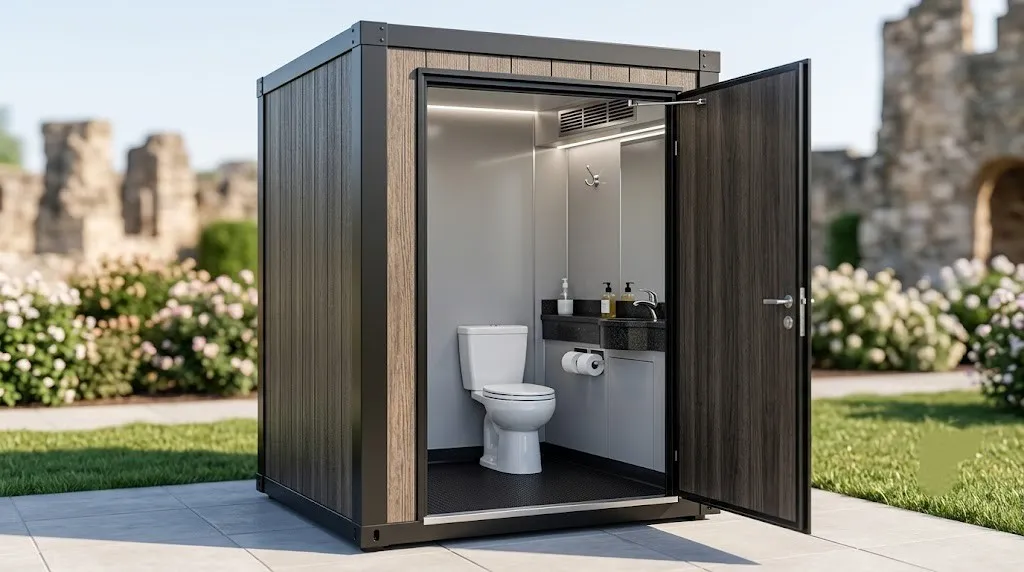
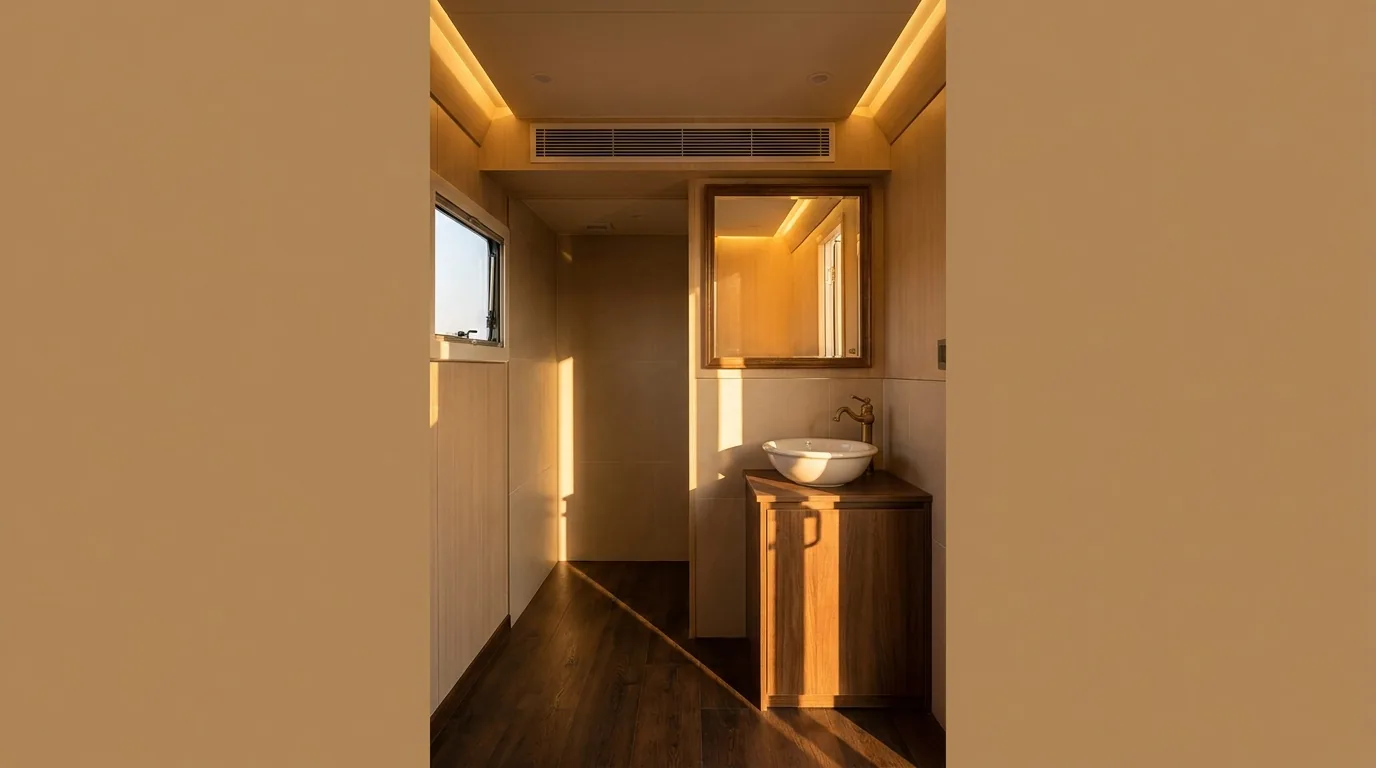
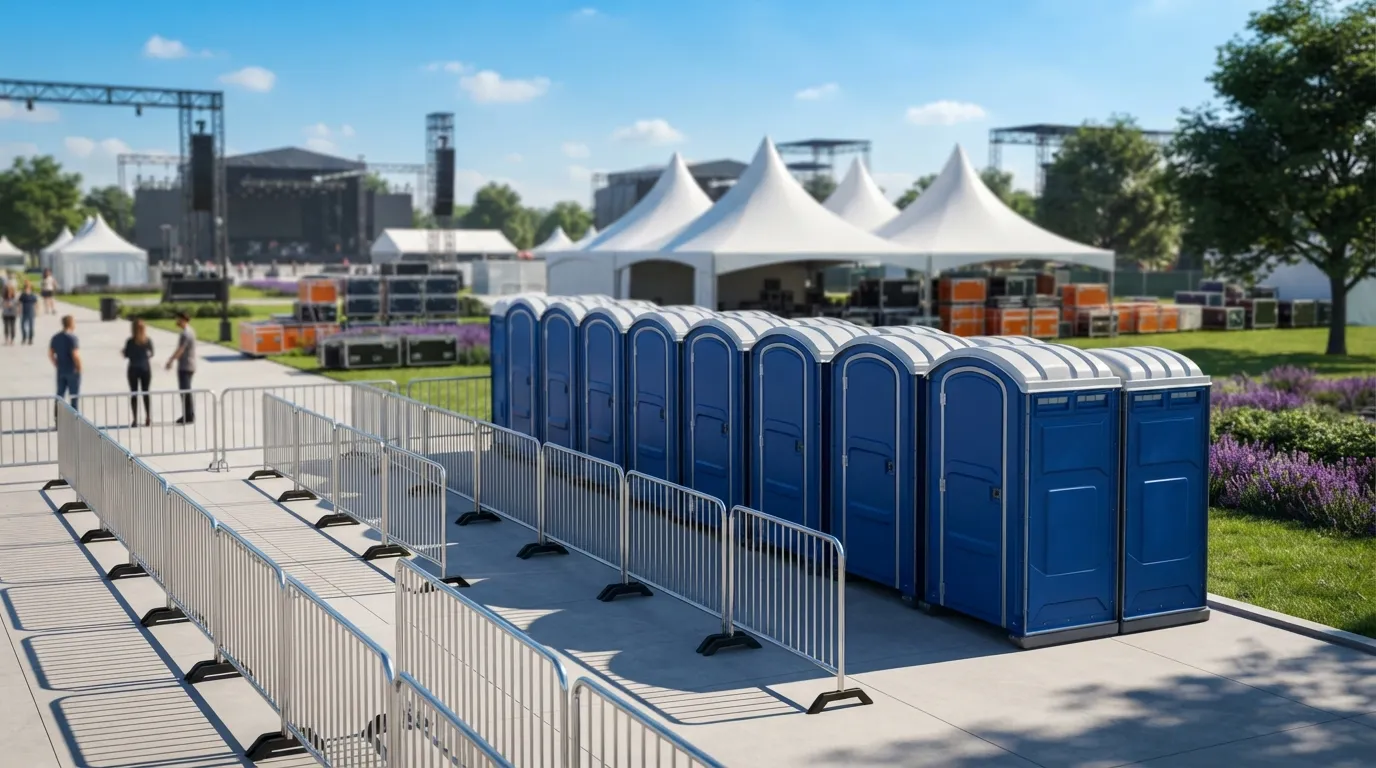
Standard units cover the midway and parking fields, but fairs pulling a bigger crowd or running an evening concert usually want something nicer near the main stage or VIP area. A deluxe flushable porta potty gives guests a real flush and a nicer interior, which matters when the fair runs a beer garden or a paid VIP section. For multi-day county fairs with grandstand events, a restroom trailer rental adds climate control and running water, and a 4 stall restroom trailer handles a moderate crowd without the long lines standalone units create. Bigger fairs sometimes step up to an 8 stall restroom trailer for the grandstand crowd during a headline concert night. Pair any bank of units with a temporary fence rental or crowd control barrier rental to keep queue lines organized and separate from midway traffic; ANSI/PSAI Z4.3 sets a baseline service interval of once weekly for light use, but a fair running multiple days at high volume needs daily servicing to keep tanks from filling mid-event. Fairs with livestock exhibits or 4-H barns should also look at farm and agricultural restrooms for options built around barn traffic and hand-washing near animal areas, since those crowds move differently than midway foot traffic.
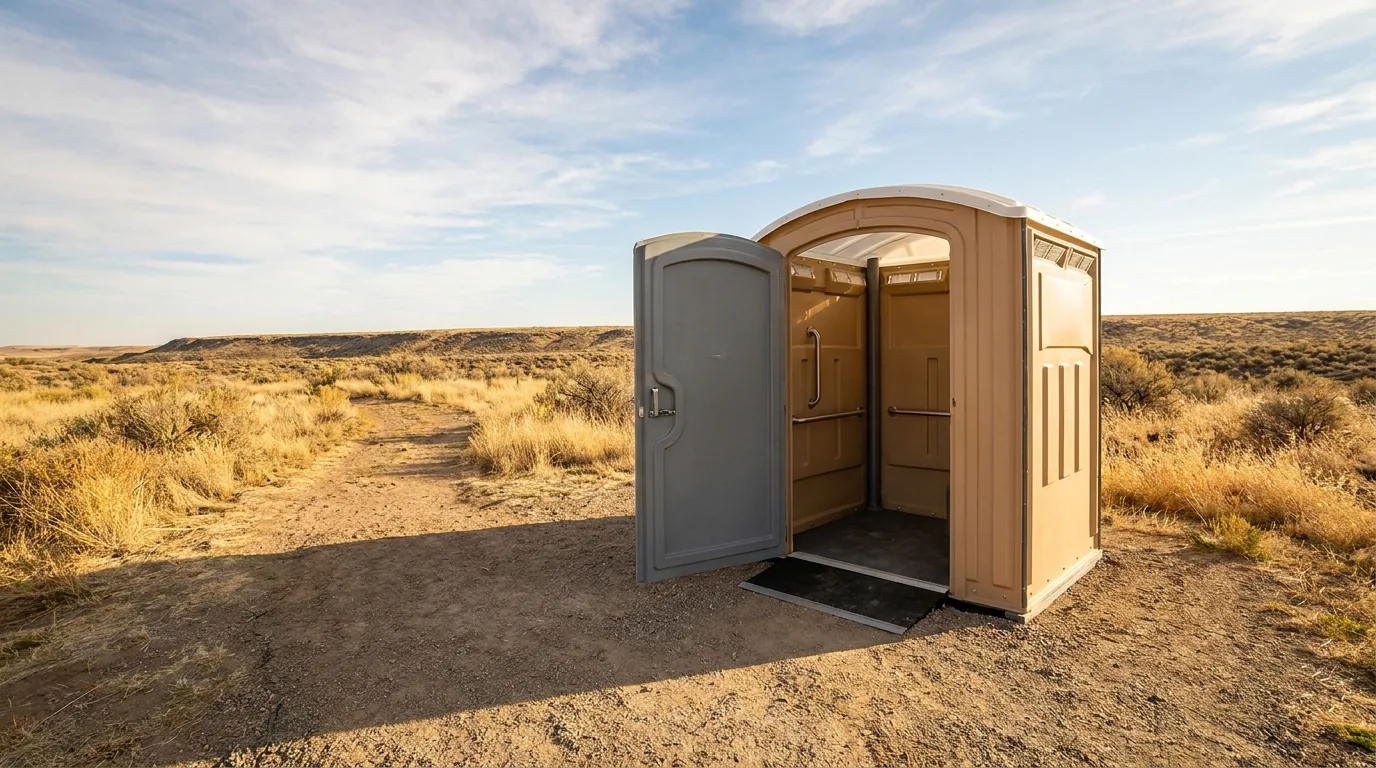
Because Memphis county fairs draw families, seniors, and guests using wheelchairs, and skipping accessible units invites complaints and turns away paying visitors. ADA Standards 213.2 requires that when portable toilets are clustered, at least 5 percent of the units be accessible, with a minimum of one no matter how small the cluster. An ADA accessible porta potty needs a 60 inch turning circle inside per ADA Standards 304.3.1, and the path leading to it has to stay at least 36 inches wide under ADA Standards 403.5.1. Ground surfaces matter too: ADA Standards 302.1 calls for stable, firm, slip-resistant footing, which rules out placing accessible units on loose gravel or soft turf, common at Memphis fairgrounds sites with grass parking. Placement should sit close to the main walking path, not tucked behind a barn or across a muddy field, so guests using mobility devices aren't traveling the longest route on the grounds. For general layout across a large fairground, the porta potty placement guide and ADA restroom requirements page both cover ground conditions and clearances in more depth. Fair organizers weighing a full accessible restroom setup instead of a single unit sometimes rent a trailer instead; the restroom trailer rental cost page breaks down what that runs against standalone ADA units.
Standard units for multi-day fair events typically run in the standard event pricing band, well above a single-day job because of extended service and standby stock. Exact pricing depends on unit count, trailer add-ons, and service frequency; see porta potty rental cost or request a quote for a fairground-specific number.
Book as soon as the fair dates are set, ideally months out. County fairs compete with weddings, festivals, and construction jobs for the same trailer stock, especially in fall when festival restroom rental demand peaks across Memphis and nearby towns like Collierville, 20.9 miles east.
Yes. Multi-day fairs get daily servicing instead of the weekly baseline in ANSI/PSAI Z4.3, since high foot traffic fills tanks faster than a typical weekend job. Servicing includes waste pump-out, restocking, and a cleaning pass on high-touch surfaces.
Yes. A hand sanitizer station rental works for light foot traffic, but food vendor areas need real soap-and-water handwashing under 29 CFR 1910.141(d)(2). Place stations at each food cluster, not just the main restroom bank.
Tell Memphis Porta Pros about gravel lots, grass fields, or narrow gates when booking. Roll-off and trailer deliveries need roughly 60 feet of straight clearance behind the truck, so barns and tight midway corners sometimes call for a different drop point.
What we rent
Typical Memphis ranges, not a quote. Delivery is $50 to $150 and a weekly service visit $30 to $60. See the full cost breakdown.
$125 to $250 a weekend
$200 to $350 a weekend
$199 to $300 a weekend
Quoted by stall count
The rest of the yard
We deliver across Shelby County and the surrounding metro:
Next step
Tell us the address, the dates and the headcount. We size the order and confirm the route.